
Suing Trucking Companies vs. Drivers
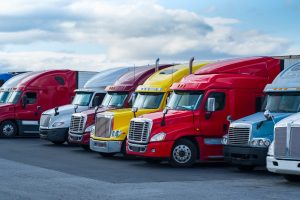 After being involved in a truck accident, it’s normal to feel overwhelmed and unsure of what to do next. You may be dealing with serious injuries and significant medical bills. You may also be wondering whether you should file an insurance claim or lawsuit against the driver, the trucking company, or both. Understanding how this works is a start to getting what you deserve.
Understanding truck accident liability
When there’s a truck accident, determining liability means figuring out who was at fault and who may need to pay for the injuries and losses you’re experiencing. One of the first things to understand is that there are two common theories of negligence that often come up in these cases—direct negligence and vicarious liability.
Direct negligence
Direct negligence means a person breached a duty of reasonable care, and that breach proximately caused an accident. This could be the driver speeding and causing an accident, or the company failing to train drivers. In both of these situations, the parties are directly responsible for what happened.
Vicarious liability
Vicarious liability is different. It holds an employer accountable for what an employee does while on the job, even if the company wasn’t directly involved in the crash itself, and even if the company wasn’t negligent.
For instance, if a truck driver causes an accident while making deliveries, the trucking company can often be responsible even though they didn’t cause the accident.
When to sue the truck driver
After a crash with a large commercial truck, you may wonder if you should file a lawsuit against the driver. The answer depends on why the crash happened. There are situations where a truck driver’s own decisions on the road directly caused harm. In these cases, the law allows you to hold the driver liable for their actions. Examples include:
Distracted driving
If a truck driver is texting, using a phone, eating, or messing with GPS while driving, and that takes their attention away from the road, it can cause an accident. This kind of distraction is dangerous and, in the case of texting or handheld phone use, illegal under federal law.
Driving under the influence
When a driver uses drugs or alcohol, their reflexes and judgment decline. These actions break the law and endanger others’ safety.
Speeding or reckless driving
If you see a large truck running red lights, ignoring stop signs, weaving through lanes of traffic, tailgating, or going far over the speed limit, the driver could be at fault for a crash. Reckless choices like these are often considered negligent behavior.
Ignoring hours-of-service limits
Choosing to operate a truck without proper rest and exceeding federal hours-of-service limits can lead to fatigue and preventable collisions, for which the driver may be liable. Evidence of such violations may help those injured build claims and recover compensation.
When to also sue the trucking company
If a trucking company’s choices or lack of oversight contributed to the crash, they can also be held responsible. This can open up another source of compensation for the victim. Some situations where the company itself could be liable include:
Improper qualifications
Companies are required to ensure their drivers are qualified to drive safely and follow the rules of the road. If this doesn’t happen, the trucking company can be liable for any accidents that occur as a result.
Forcing unrealistic delivery schedules
The unfortunate reality is that many trucking companies push their drivers to complete deliveries more quickly than they’re able to do safely. If this happens, the company can be legally responsible for speed or fatigue-related accidents.
Poor truck maintenance
Trucking companies are required to make sure their vehicles are safe before sending them on the road. When routine inspections are ignored or costly repairs are postponed, serious accidents can occur, leading to severe injuries or even death.
FMCSA rule violations
Federal trucking rules set clear standards for safety. If the trucking company violates FMCSA safety rules and that violation contributes to a crash, those violations can serve as strong evidence of negligence under Minnesota law. As a result, the victims may have grounds to take legal action against them.
Depending on the situation, it’s possible that the company is responsible for the accident just as much, if not more than, the driver.
When can you NOT sue both the driver and the trucking company?
You can’t always sue both the truck driver and the trucking company after a crash. For example, when the driver is in the truck but not engaged in job-related duties, it’s likely that the trucking company will not be liable. Every case is unique and depends on the specific details, so it’s important to talk to a lawyer who can help you make this determination.
Why it matters if you sue the driver or the trucking company
It can make a huge difference who you name in a truck accident claim. Many people think the truck driver alone is responsible and only go after that individual. But trucking companies usually have much larger insurance policies than individual drivers, adding a vital layer of protection for victims.
The extra coverage that trucking companies carry can mean you’re able to recover compensation for all of your medical bills and lost wages instead of just part of them. It’s also important to look at other parties who could be liable, like mechanics, manufacturers of potentially defective truck parts, and loading crews.
Contact our Minnesota legal team now
At Bradshaw & Bryant, PLLC, our lawyers have been handling accident claims for more than 30 years, and we know how to fight for what you deserve. If you need guidance after a truck accident, call us today for a free consultation.